Farewell Messages: What to Write and Send When a Colleague Hands in Their Notice
The leaving card lands on your desk. Sarah from accounts is moving to Barcelona, and you've got that awkward corner space left to fill. Everyone else has already written something thoughtful.
Writing in leaving cards shouldn't be this hard. You've shared coffee breaks and deadline panics, yet nothing sounds quite right. The tone matters – too formal feels cold, too casual seems careless.
Join us below to discover farewell messages that work for every departure, from retirement parties to maternity leave.
When colleagues change jobs
New opportunities deserve enthusiasm. "Your spreadsheet skills saved us during every audit. Their new finance team just won the lottery," shows you noticed their contributions.
Skip wishes that could apply to anyone. Instead of "good luck in your new role," try "Can't wait to hear how you revolutionise their invoicing system."
Some messages work universally. "I learned so much from watching you handle clients", or "Thanks for making budget meetings bearable." These acknowledge impact without going overboard.
Retirement send-offs need celebration
After decades of work, retirees want celebration, not sadness. "No more 7 AM conference calls, unless you're calling from the golf course" beats mourning their absence.
Memories matter here. "I'll never forget when you caught that data error minutes before the presentation", shows that their experience made a difference. Then pivot to their plans. "Hope your greenhouse gets as much attention as our quarterly reports did."


Maternity leave messages require care
Parents-to-be get enough advice. Stick to support. "We'll miss your project management skills, but in return, we get to see your cutest baby photos. So, focus on what matters most."
Of course, "looking forward to baby photos in the team chat" assumes they'll want to share. "We're here if you need anything", offers help without intrusion.
Relocation farewells bridge distances
Moving countries or cities often stems from necessity, not choice. Acknowledge the challenge. "Edinburgh won't know what hit them. If you need recommendations for anything, shout."
Offers beat promises. "I visit Manchester quarterly for client meetings – coffee when I'm next up?" creates connection opportunities.
Format shapes your message
Email farewells let you expand. Open with context. "When you trained me three years ago, I never imagined I'd run the department." Share a lesson they taught you, then offer something concrete. "Happy to be a reference whenever you need one."
Cards demand efficiency. Twenty words must capture gratitude and wishes. "Your patience during system migration saved my sanity. Enjoy every adventure ahead!" says enough without rambling.
Platforms need personality. Slack emoji reactions and GIF-filled Teams messages suit colleagues who communicate that way. Mirror their style for authenticity.
Personal beats generic every time
Group cards collect signatures and wishes. You can't pour your heart out between "Best wishes – Janet" and "Good luck! – Steve from IT."
Write something people remember anyway. "Thanks for explaining pivot tables 47 times without laughing at me" stands out among pleasantries. Save more profound thoughts for separate notes.
Private messages allow honesty. Email them directly. "I wanted to say privately how much your mentoring meant. When I was struggling with the Peterson account, your advice changed everything."
Leading when you're the manager
Your words carry weight as their boss. Acknowledge achievements publicly. "Under your leadership, customer satisfaction increased 23%. Any team would be lucky to have you."
Balance stays important. Praise their work, not them personally. "Your approach transformed our reporting" works. "You're the best analyst I've ever managed" creates awkwardness for their replacement.
Include support. "I'm happy to provide LinkedIn recommendations", or "Feel free to list me as a reference", offer help beyond nice words.
Mistakes that make everyone cringe
Office drama belongs nowhere near farewell messages. "Now you can escape the politics" or "Bet you're glad to leave this mess" reflects poorly on you, not them.
Inside jokes confuse in group settings. Your reference to the photocopier incident of 2019 means nothing to newer colleagues.
Don't guess at the reasons. They may be leaving for better pay, or family circumstances have changed. Statements like "Following your dreams at last!" might hit completely wrong notes.
Comparisons create problems. "We'll never find another you" sounds sweet, but it undermines whoever fills their position. "Your contributions to the team were fantastic", acknowledges impact without creating standards.
Flowers make farewell gifts for anyone
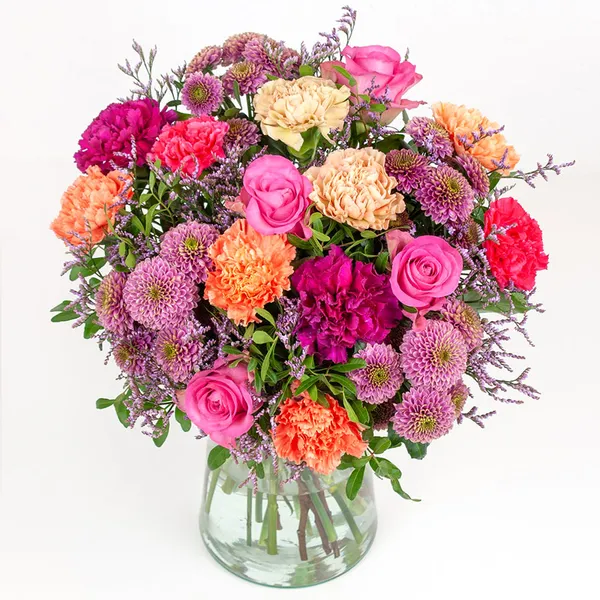
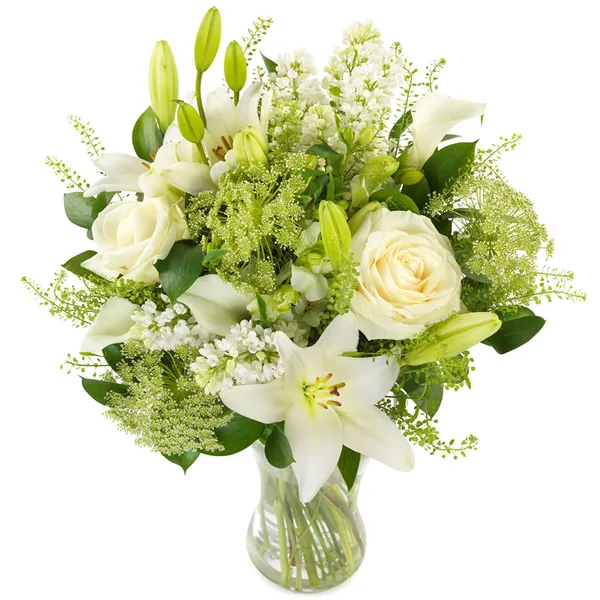
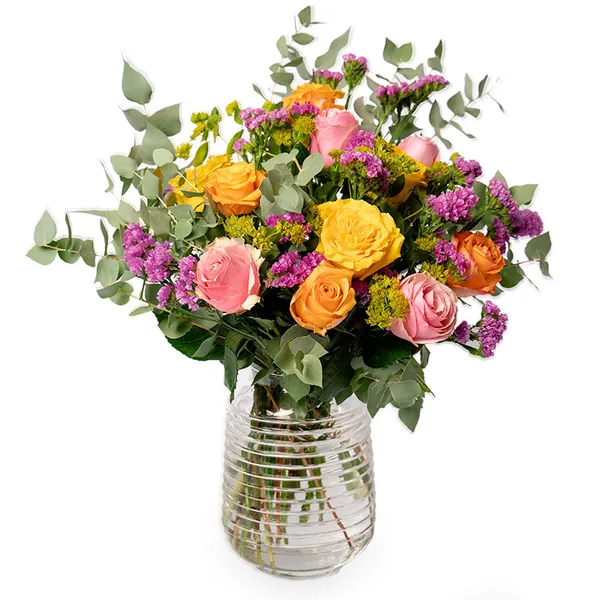
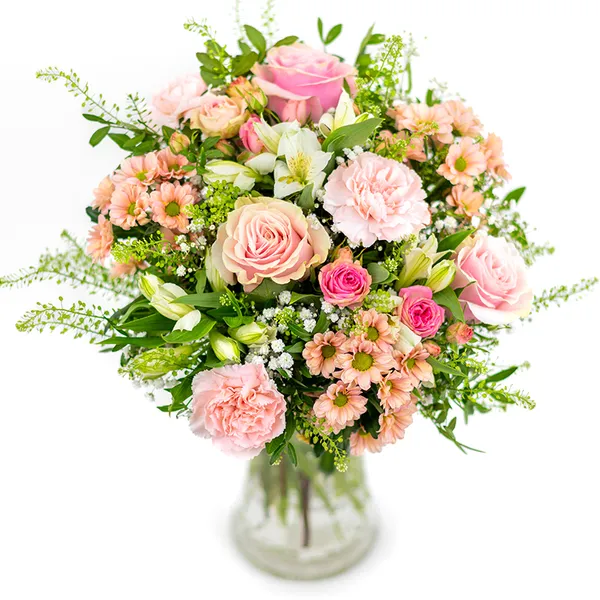
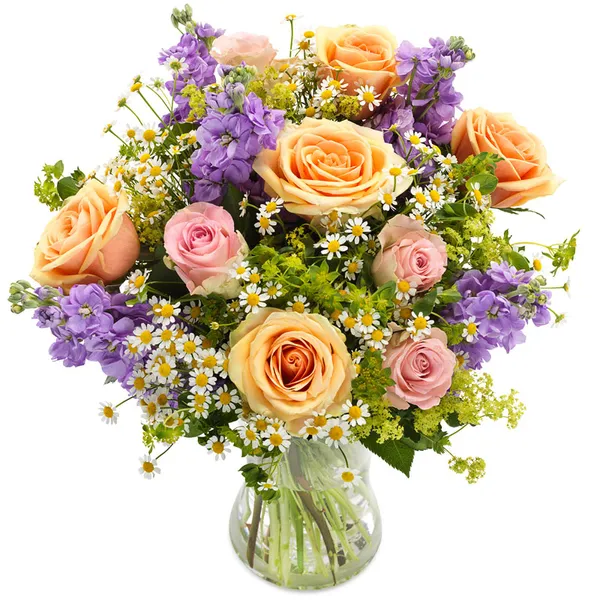
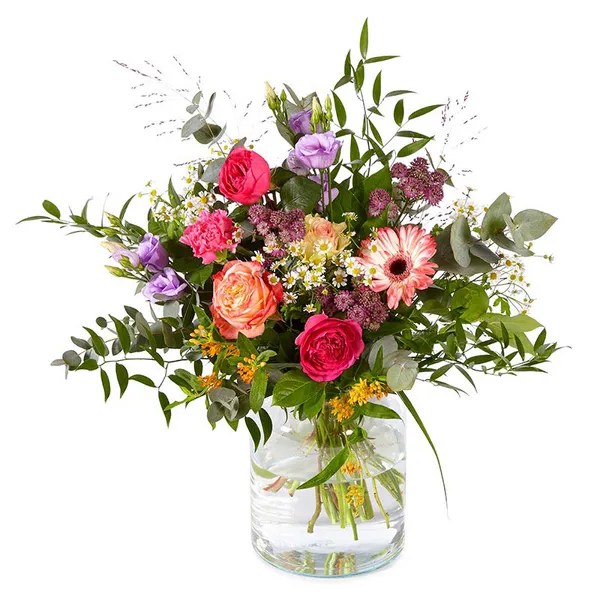
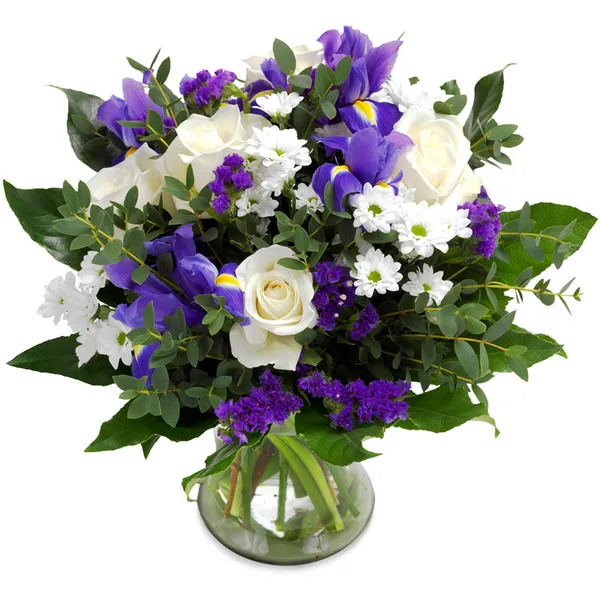
Mixed arrangements dominate professional settings, usually featuring one lead flower supported by complementary blooms.
When in doubt, luxury flowers are always a fantastic choice. Look for bouquets with any of these blooms as their lead:
Gerberas bring cheer
Gerberas radiate cheerfulness with their daisy heads. These flowers lack scent entirely, suiting any office environment. Pink gerberas say celebration, whilst orange ones energise without overwhelming. They last two weeks with proper care.
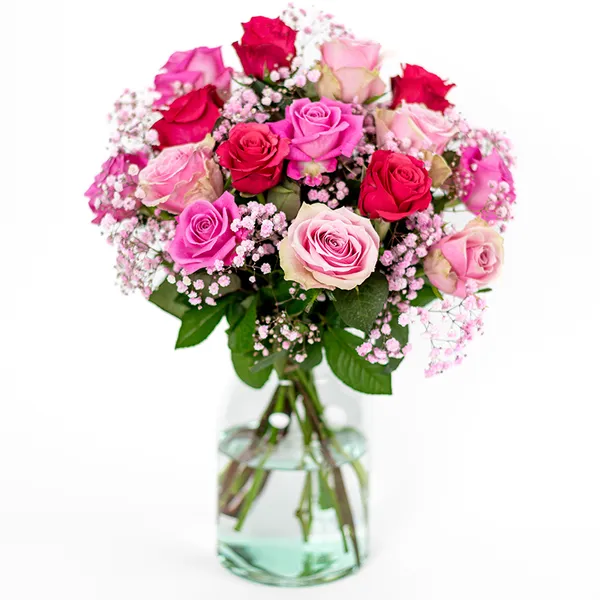
Roses express gratitude
Roses remain classics for good reason. Pink roses express gratitude professionally, yellow ones celebrate friendship, and coral shades split the difference. Their fragrance won't overwhelm shared spaces. Rose varieties today stay fresh longer than traditional types.
Alstroemeria lasts longest
Alstroemeria brings value and longevity. Each stem produces multiple blooms that survive two weeks in vases. These flowers lack scent entirely, making them perfect for allergy-prone offices. Mixed colours create interest whilst purple varieties bring formality.
Lilies make statements
Lilies command attention with their trumpet shapes. White works when formality matters, pink suits warmer relationships, and orange brings vibrant energy. Remove pollen-bearing stamens yourself to prevent staining.
Carnations add texture
Carnations offer texture and durability. Ruffled petals create interest whilst their scent respects shared spaces. Pink carnations express gratitude, white ones convey respect, and mixed colours brighten any desk.
Send arrangements early in their final week. They'll enjoy them longer, and transport becomes someone else's problem. Include your message on the card – it lasts longer than flowers.
Remote workers need different approaches
Farewells online lack corridor conversations. Schedule video calls rather than hoping people join. Thirty minutes gives everyone time without dragging.
Playlists or photo albums let dispersed teams contribute. Everyone adds their memories or songs. The leaving colleague keeps access forever.
Gifts still matter. Send flowers or hampers to home addresses. The doorbell surprise reminds them that geography doesn't erase relationships.
Group gift coordination
Money conversations feel awkward. Use collection apps that hide contributions. Set suggested amounts. "Most people give £5-10" guides without pressure.
Pick presents with purpose. Restaurant vouchers for their favourite place, headphones for the new commute, or books by authors they mentioned beat joke gifts gathering dust.
Buy early. Nothing screams afterthought like presenting gift cards purchased that morning.
Getting the timing right
Start composing messages when notice arrives, not during their goodbye drinks. Words need time and reflection.
Send cards during their penultimate week. Final days blur with handovers and exit interviews. Earlier messages get attention.
Post-departure contact remains possible if you exchange details. These messages often mean more without office dynamics interfering.
Beyond the goodbye
Professional networks matter more than ever. Send LinkedIn connections whilst you're still colleagues – acceptance rates plummet after departures.
Three months later, drop them a message. "How's the new place treating you?" shows interest. New roles feel lonely initially; voices help.
Making farewells count
Every colleague contributed something. Maybe they unjammed the printer religiously. Perhaps they remembered everyone's birthdays. Or they made Wednesday afternoon meetings tolerable. Tell them what mattered.
Writing something personal takes five minutes, but it stays with people. "Thanks for teaching me Excel shortcuts", or "Good luck with the marathon training", shows you paid attention to more than work tasks.
Flowers add something extra when words feel insufficient. A bright bouquet on their desk during the final week gives everyone a conversation starter. Euroflorist flowers have a seven-day freshness guarantee, perfect for workplace goodbyes.
Written on November 18th 2025 by Karolin Jambor