
Winter Time
Why we give gifts at Christmas: The psychology and tradition behind Christmas gifting
You receive gifts at Christmas, so you give back. It’s a fair exchange. Or you might have an agreement that you buy gifts for the kids and leave the adults out. In that case, you give gifts because it's the expected thing to do. But is there more to it?
The answer is yes. It’s part history and part psychology. People have given gifts at Christmas for centuries, and it’s what many people look forward to most.
Where the tradition started
Gifting at Christmas has a history stretching back to Roman winter festivals, Christian religious stories, and the legend of Saint Nicholas.
The Romans celebrated Saturnalia in mid-December. The gifts given during Saturnalia were usually small: candles, clay figures, or something to eat. When Christianity spread across the Roman Empire, many of the midwinter customs carried over.
The Bible tells of the Magi bringing gold, frankincense, and myrrh to the infant Jesus. It became the model for giving at Christmas for Christians.
St Nicholas was a 4th-century bishop in what is now Turkey. The story about him says he left gold for three sisters whose father couldn't afford their dowries. Over the centuries, St Nicholas became Sinterklaas in the Netherlands, and Sinterklaas became Santa Claus.
A tradition closer to home
In Tudor England, people swapped gifts at New Year rather than Christmas. It was the Victorians who moved gift-giving to Christmas and centred it on the family and children. Christmas cards, crackers, and the Christmas tree all became popular in the same period.
Boxing Day comes from a related custom. Employers gave "Christmas boxes" of money or gifts to servants and tradespeople as a thank-you for the year.

Why does gifting feel good?
It’s always nice to receive a Christmas gift, but seeing someone else’s face light up as they unwrap a present and see it for the first time is an even better feeling for most of us. That’s because a present is a message as much as it is an object.
We buy presents because they remind us of people or because we are thoughtful enough to know what they collect, enjoy, and want.
Researchers at the University of Bath found that personalised gifts raise the recipient's self-esteem and make them feel more valued. They called the effect "vicarious pride", where the recipient picks up on the pride the giver felt in choosing the gift.
Love
The present could be a book with a personal note written on the inside front page, or a game console for your son or daughter because they’ve been mithering about it. It’s all for love, regardless of how expensive it is.
Appreciation
For friends and family who have helped you through the year. Presents could be personal or 'just a little something.'
Gratitude
Many Christmas gifts say thank-you -- for teachers, neighbours, carers, and the people who helped you out through the year.
Connection
Not everyone is available at Christmas. You might have family overseas, or people might be too busy. Gifts are bridges that help you stay connected.
Where flowers fit in at Christmas
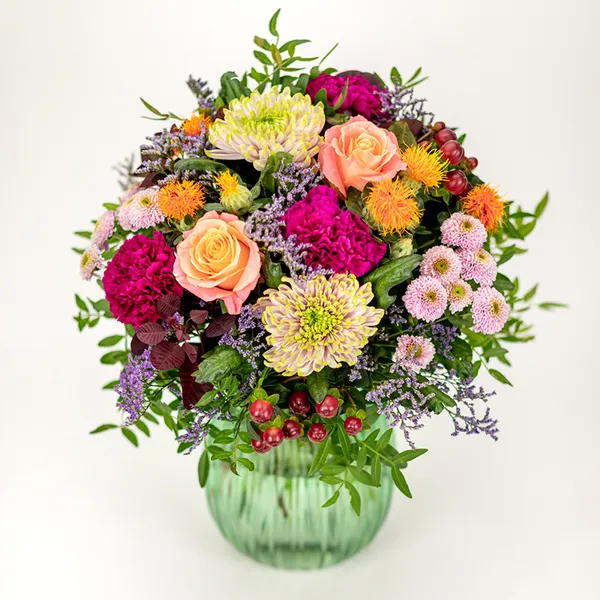
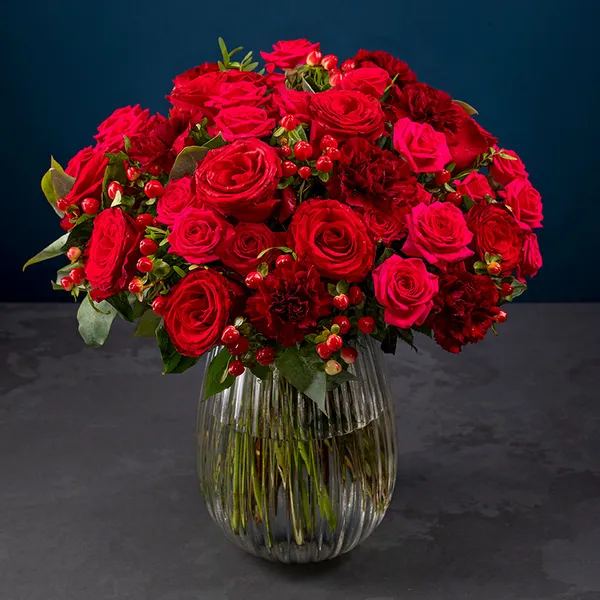
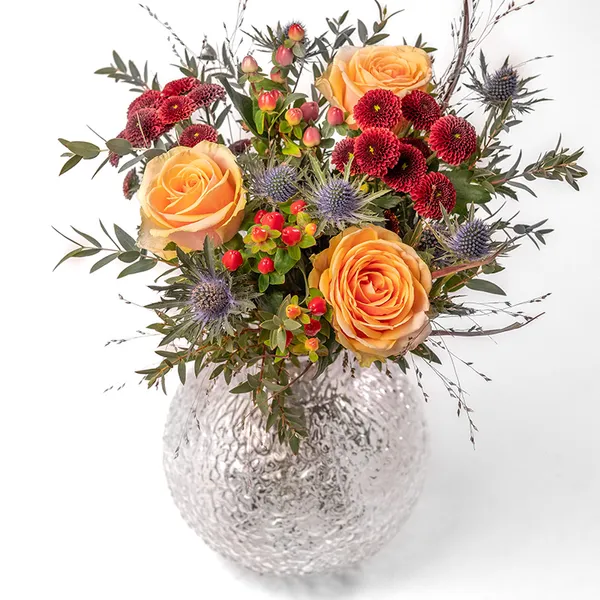
Christmas flowers are well-received when they have thought behind them. In the case of a bouquet, you might pick the display based on your recipient’s favourite flowers or what they had on display at their wedding.
Flowers suit Christmas gifting for other reasons too:
- You can get them delivered to people you can’t visit
- They work for almost anyone on your list, from family to neighbours
- They fill a room with colour and scent over the festive period
Doubling or tripling up a floral gift is another easy win at Christmas. You can add a vase, chocolates, or a bottle of something to your order.

Gestures can also be gifts
Baking desserts for the Christmas feast and picking people up and shuttling them around are but two examples of gestures that can replace physical gifts.
Not every gift needs wrapping paper. Instead of a physical gift, it's worth asking people if they need help with anything over Christmas. You'll save yourself the trouble of buying for people who are difficult to buy for, and save some money in the process.
Picking the right Christmas gifts
Your first task: make a list of who you are buying for and the number of presents you’ll purchase for each of them. Then assign a budget.
The next bit is a little trickier -- list what your recipients enjoy, like, or need, because you can use that information to search for gifts.
Reach out to others, such as spouses, when you don’t know what people like. It’s better to get some insight than to guess on a Christmas gift.
Hampers and flowers are decent picks when you need a neutral gift. They work with almost everyone and can be combined when your budget allows.
Another safe gift is a voucher or e-voucher for a shop or restaurant. Stick it inside a decent Christmas card, and you have a last-minute gift that’ll do well.
Where to go next
If there's someone you want to reach this Christmas, send Euroflorist's Christmas flowers or same-day flowers, which will arrive on the day you order them, or the next day if you order after the cut-off time. Also check out our gift sets.